
10 Tips to Optimize Crawl Budget for SEO: Better Crawling and Indexability
Search engines don’t have unlimited time or resources to crawl every page on your website. That’s where crawl budget optimization becomes essential. Crawl budget refers to the number of pages a search engine bot is willing and able to crawl on your site within a given time frame.
A recent study shows that optimizing crawl budget can result in:
- 30% increase in pages crawled
- 15% boost in organic traffic
- 10% growth in indexed pages
These numbers clearly show why crawl budget optimization is a must-have strategy—especially for large or content-heavy websites. Let’s explore 10 practical ways to optimize your crawl budget for better SEO performance.
1. Disallow Unimportant Pages in Robots.txt
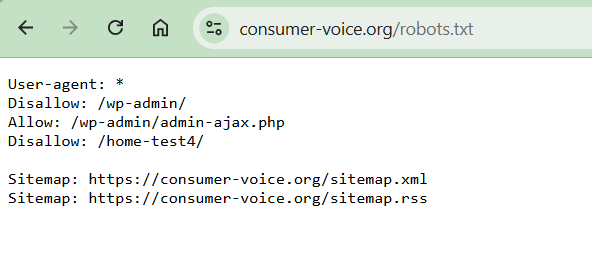
Search engines rely on the robots.txt file to understand which pages they should or shouldn’t crawl. Blocking low-value pages helps bots focus on your most important content.
Pages you can block include:
- Admin panels
- Login pages
- Backend resources
Example:
Disallow: /admin
This ensures that crawl budget isn’t wasted on pages that offer no SEO value.
2. Keep Your Sitemap Updated
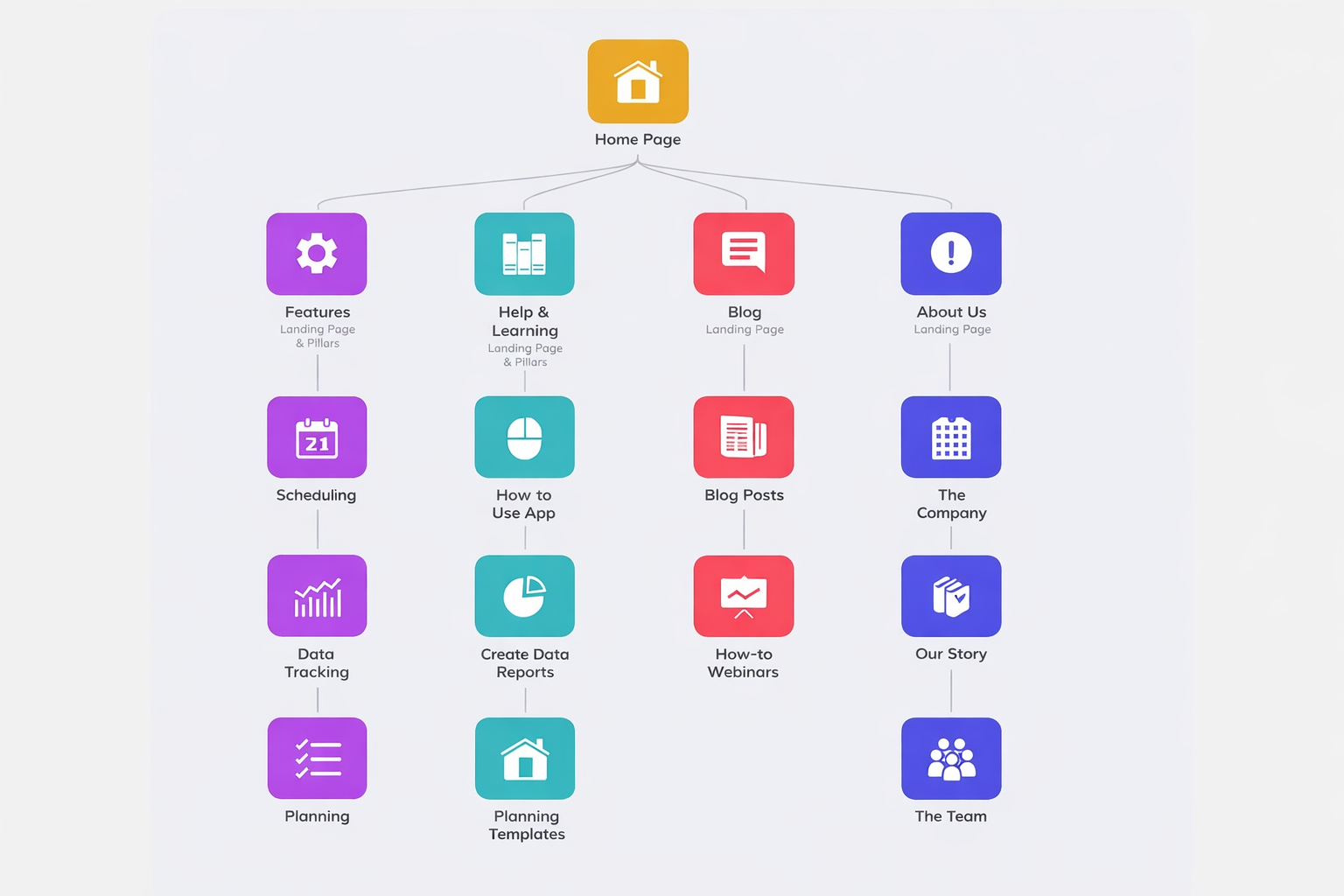
A sitemap acts as a roadmap for search engines, listing all your key pages in one place. An outdated sitemap can slow down crawling and indexing.
Best practices:
- Update your sitemap whenever new pages are added
- Remove URLs that no longer exist
- Submit your sitemap in Google Search Console
An updated sitemap helps crawlers discover and prioritize valuable pages faster.
3. Avoid Redirect Chains
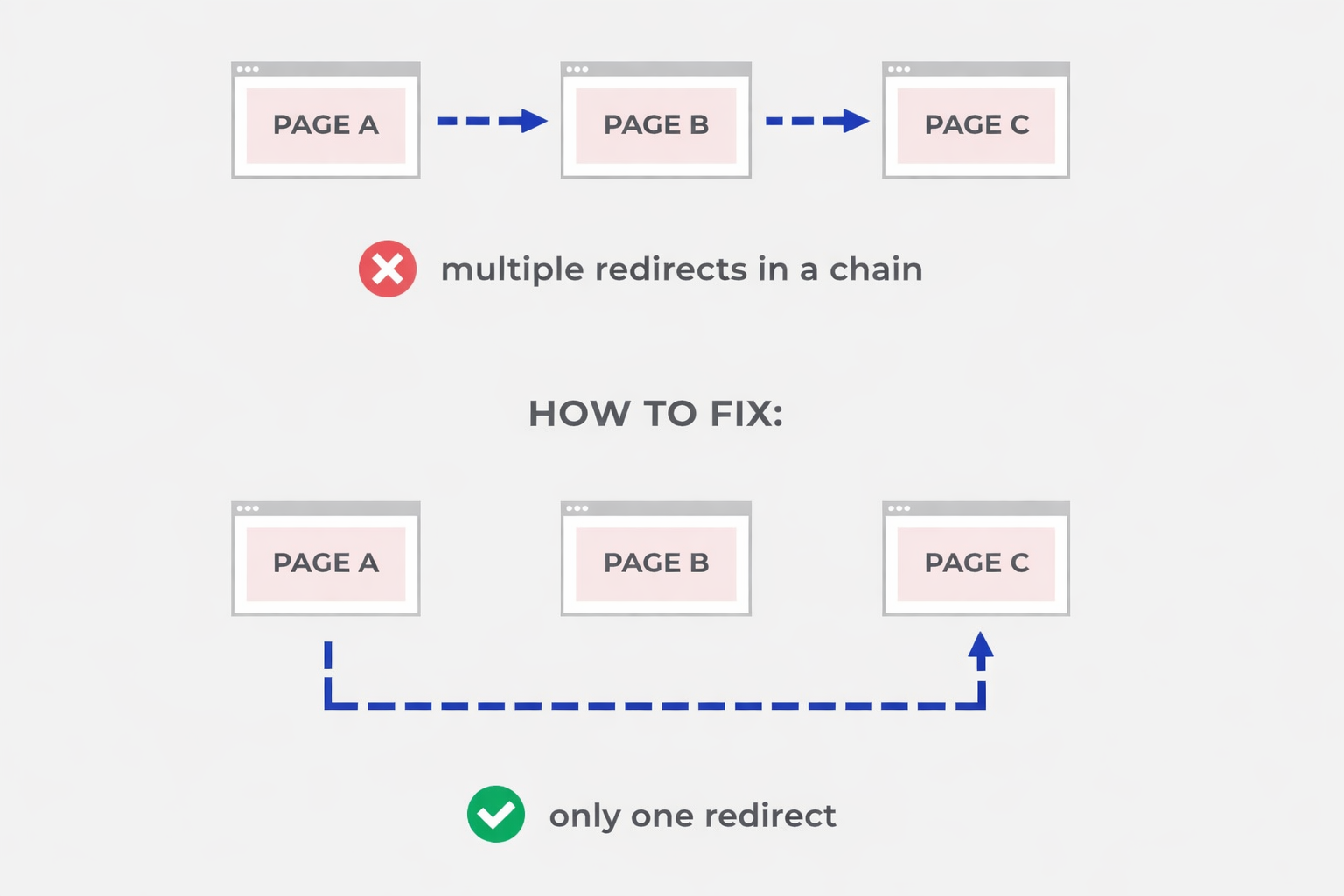
Redirect chains force crawlers to follow multiple URLs before reaching the final page—wasting crawl budget along the way.
Instead:
- Always redirect directly to the final destination
- Fix outdated internal links pointing to redirected URLs
Cleaner redirects mean faster and more efficient crawling.
4. Use HTML Whenever Possible
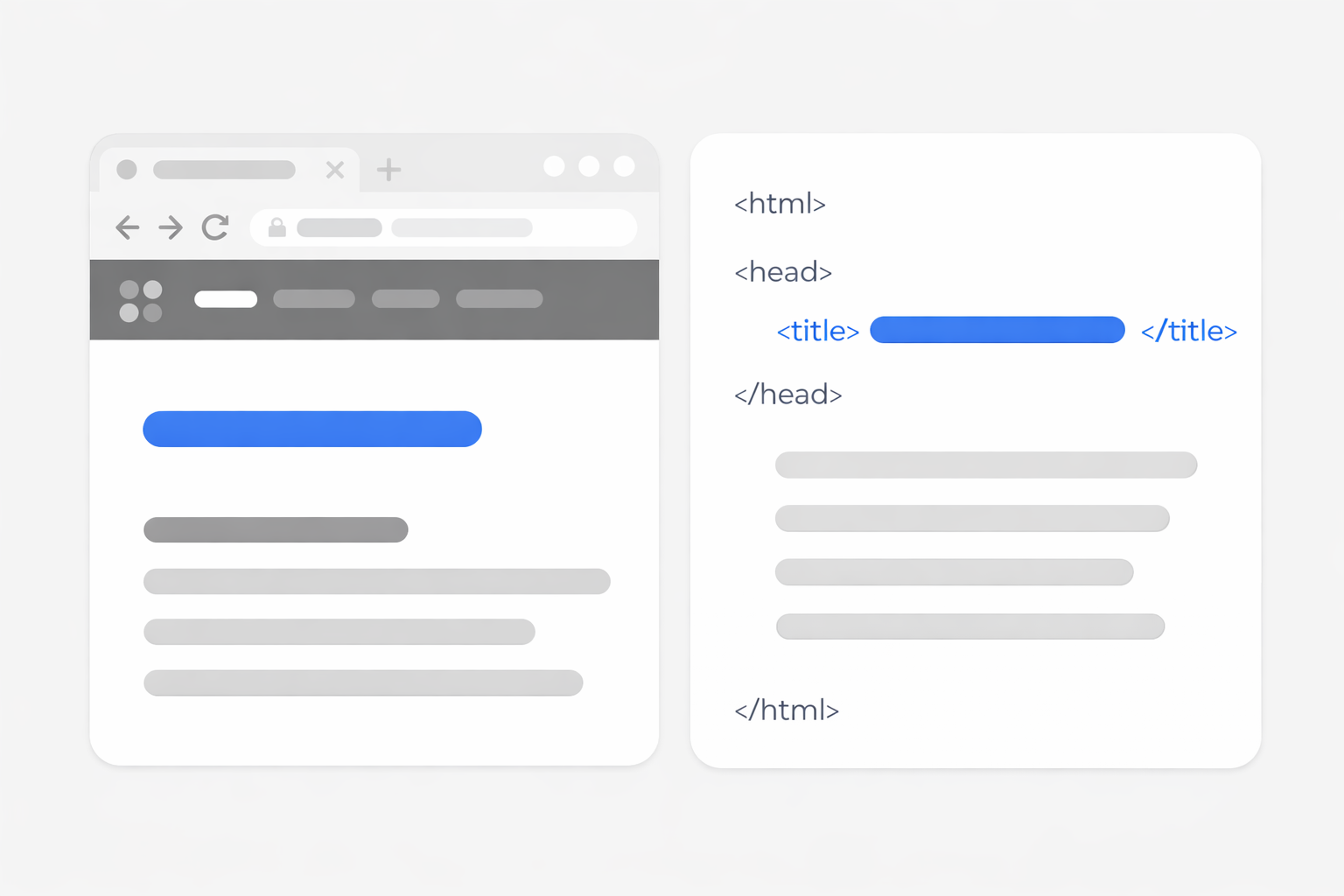
Search engines can crawl and index HTML pages more efficiently than other formats.
If possible:
- Publish content in HTML rather than heavy scripts
- Avoid excessive reliance on JavaScript for critical content
HTML ensures better accessibility for search engine bots.
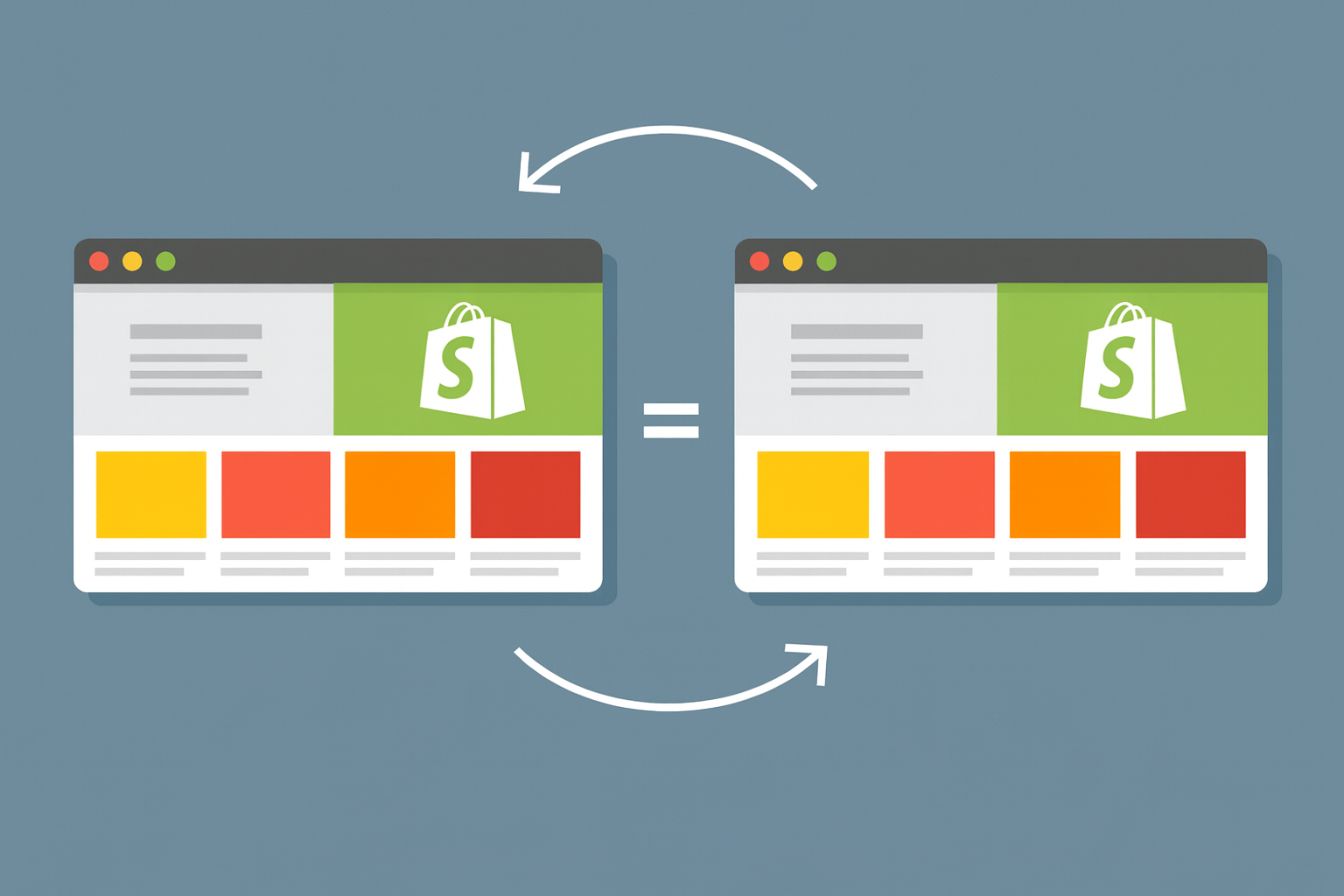
5. Remove Duplicate Pages
Duplicate content confuses search engines and splits crawl signals across multiple URLs.
To fix this:
- Remove unnecessary duplicate pages
- Use canonical tags to point to the preferred version of a page
This guides crawlers to index the correct URL and preserves crawl efficiency.
6. Use Hreflang Tags
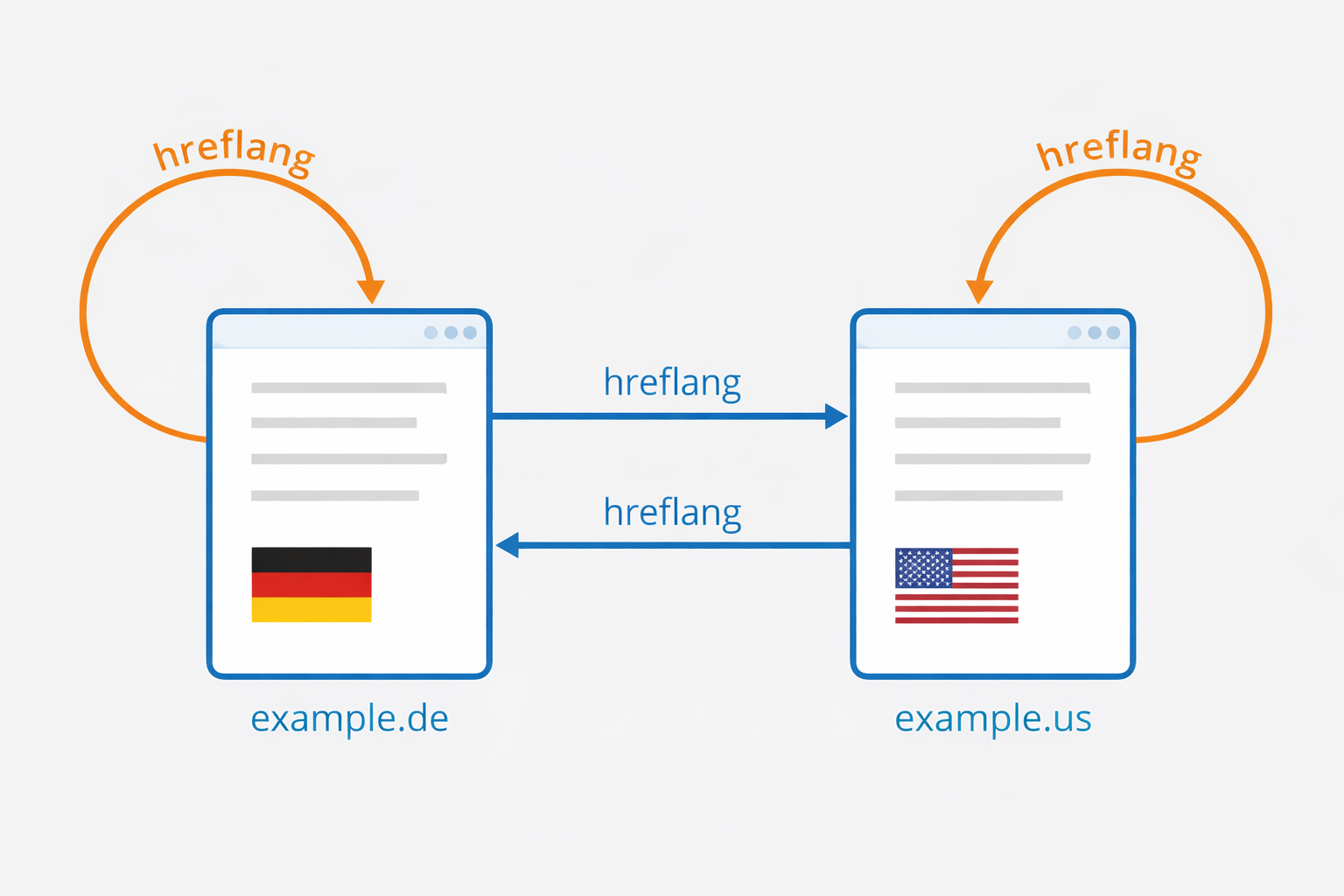
If your website targets multiple languages or regions, hreflang tags are essential.
They help search engines:
- Understand language and regional variations
- Serve the correct version to users
- Crawl international pages more efficiently
Proper hreflang implementation improves global visibility and avoids duplicate content issues.
7. Remove Broken Links
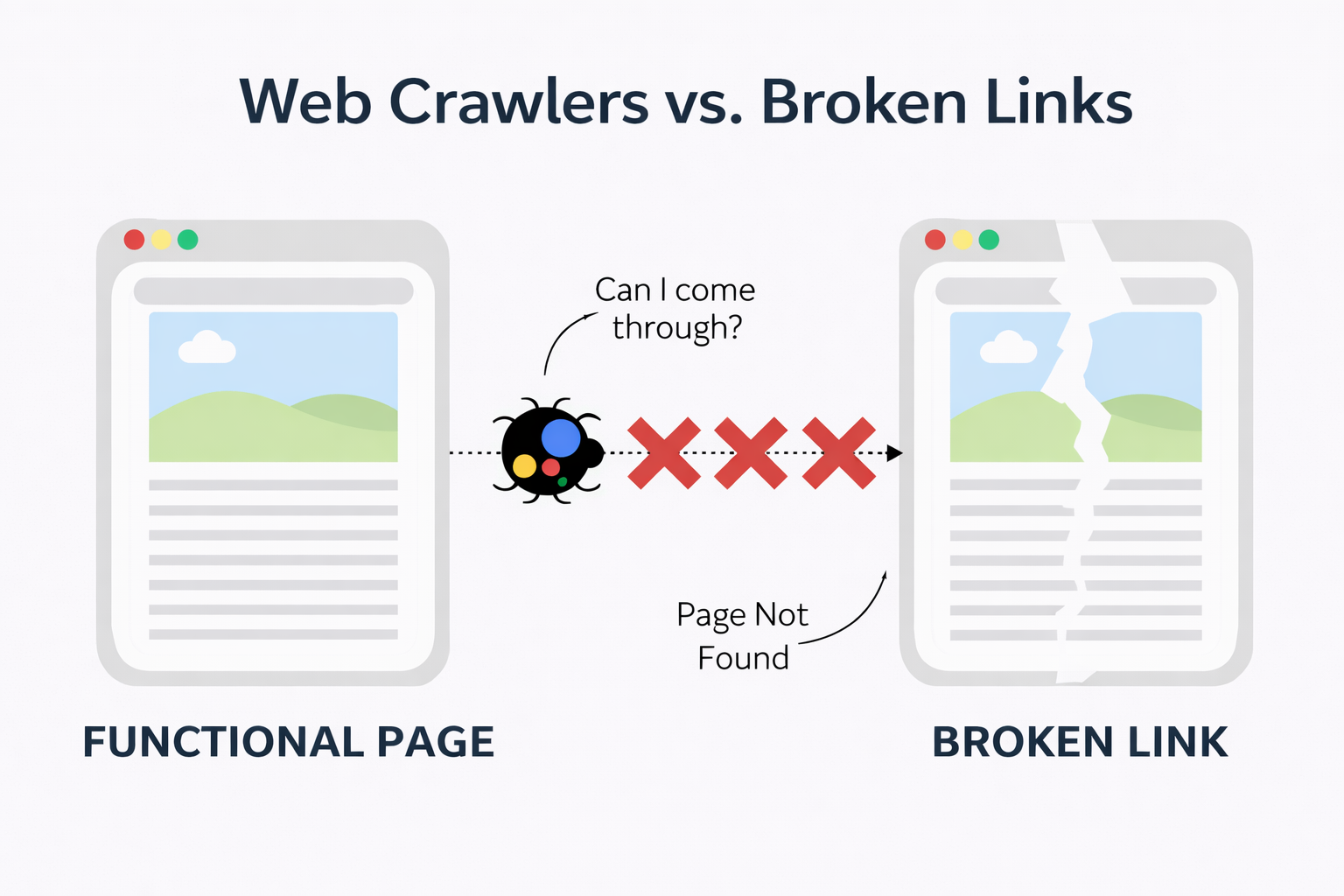
Broken links lead crawlers to dead ends, wasting valuable crawl resources.
What to do:
- Regularly audit your site for broken links
- Fix or remove URLs returning 404 errors
- Monitor reports in Google Search Console
A clean link structure keeps crawlers focused on live, valuable pages.
8. Avoid URL Parameters
URL parameters can generate multiple versions of the same page, complicating crawling and indexing.
Best practice:
- Use clean, static URLs
✅example.com/page
❌example.com/page?id=123
Simpler URLs help search engines crawl your site more effectively.
9. Reduce Load Time
Slow-loading pages consume more crawl budget because bots spend extra time waiting for content to load.
To speed things up:
- Compress images
- Minimize CSS and JavaScript
- Use caching and lazy loading
Faster pages allow search engines to crawl more URLs in less time.
10. Optimize Content Architecture & Internal Linking
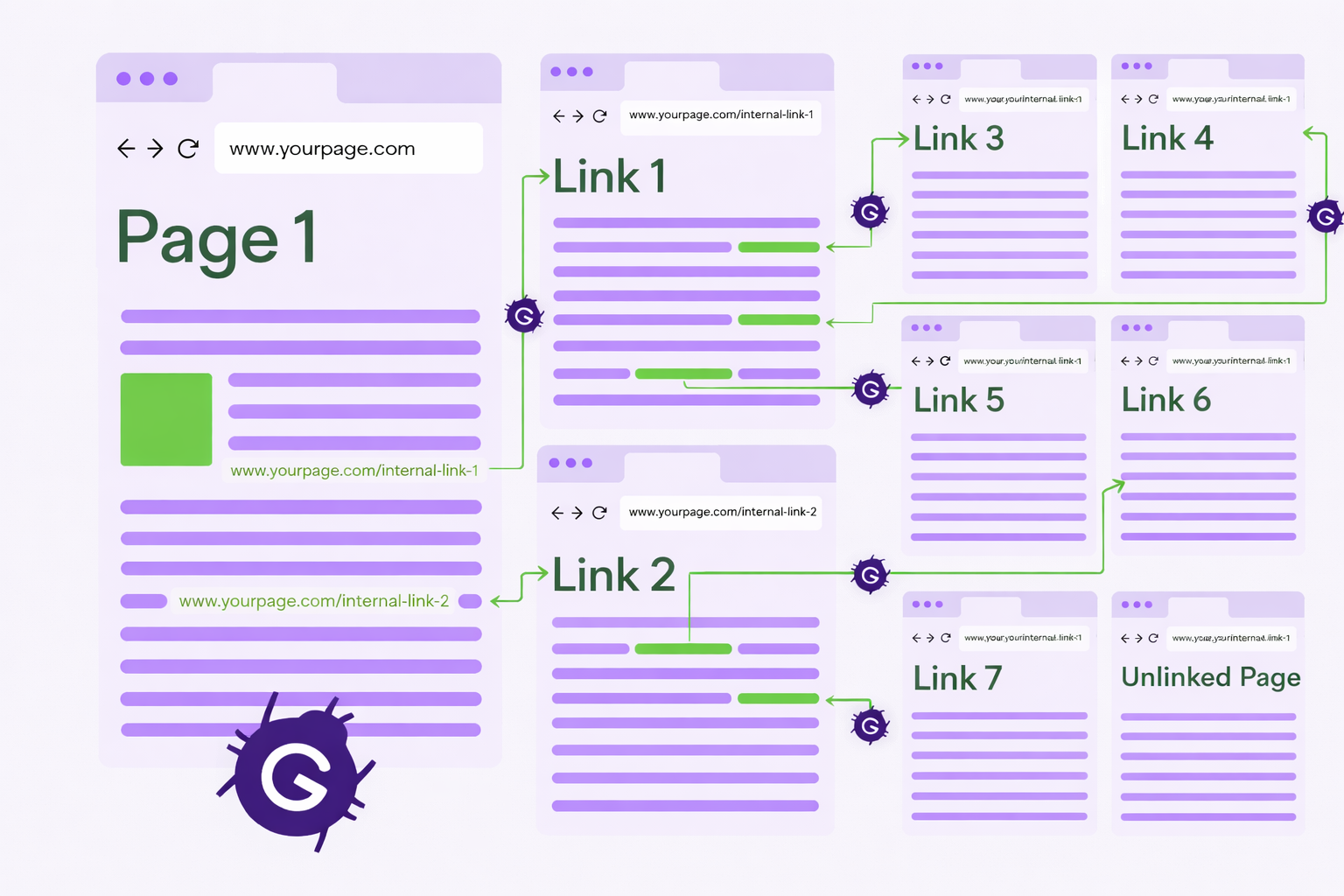
A well-structured website benefits both users and search engines.
Key tips:
- Organize content into clear categories
- Use internal links to highlight important pages
- Avoid orphan pages with no internal links
Strong internal linking guides crawlers through your site efficiently and improves indexability.
Final Thoughts
Optimizing your crawl budget ensures that search engines spend their time crawling what truly matters—your most valuable pages. By implementing these 10 strategies, you’ll improve crawling efficiency, boost indexation, and unlock stronger organic growth.


